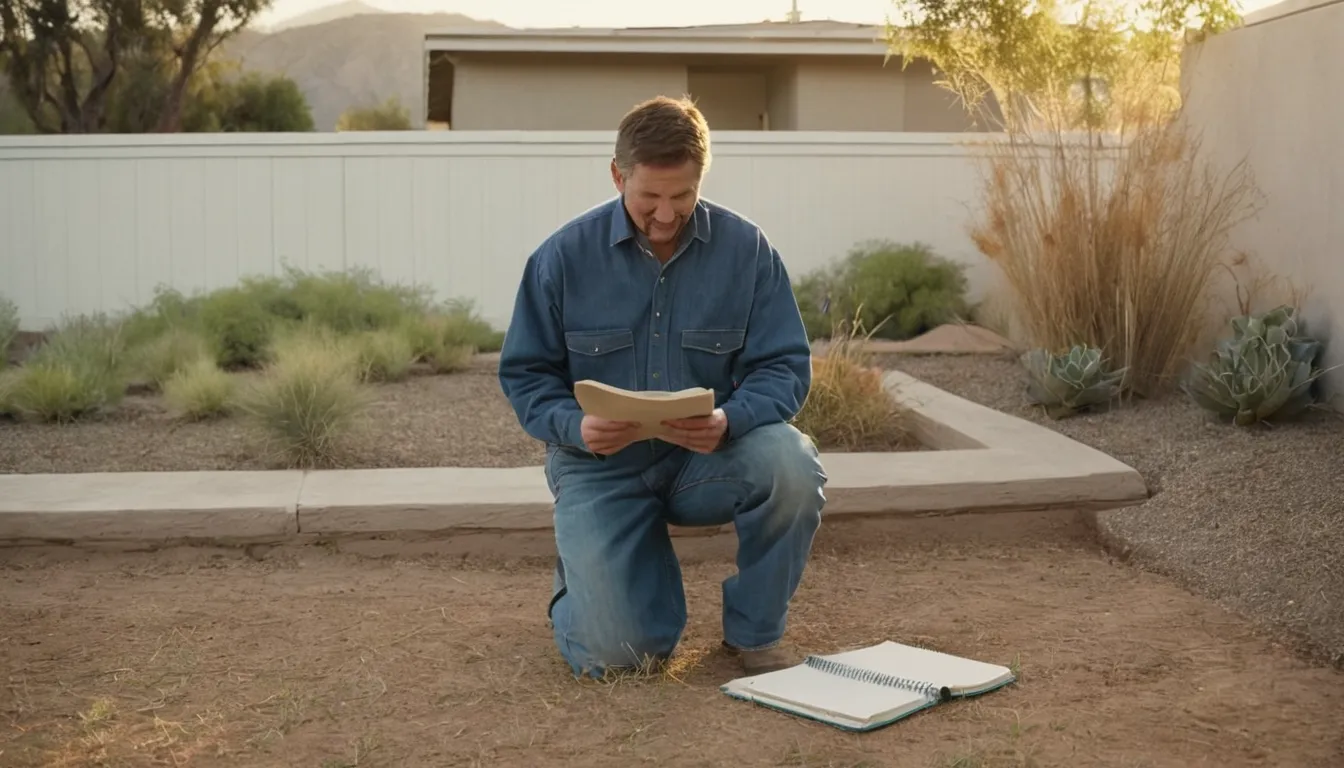
Septic or sewer trouble? Start with a look
Slow drains. A soggy patch in the yard. A sour smell near the side of the house. Those are the first hints that a septic or sewer line needs help, and they seldom fade on their own.
Easystream Septic is a referral service. It does not pump, dig or repair anything itself. It connects homeowners in Riverside, CA and the Riverside area with independent providers in the network who handle septic tank pumping, septic system repair and sewer line repair.
Here is the plain truth about timing. In the first hour or two, a backup is mostly a nuisance. Within a day, wastewater can soak flooring and drywall. After a few days, odors settle in and mold can start. If a drainfield stays flooded for weeks, the soil clogs and the fix gets bigger.
So stop using water, take a look around, and write down what you see. Then tell a provider. You can request an estimate with no obligation.
Get Started
Older homes ask for extra patience. Pipes from past decades behave differently, and a good provider will explain what they find before any digging starts.
How It Works
How a referral works
Think of Easystream Septic as the sign that points you to the right door. You describe the problem through the request form, or you can request a callback to check provider availability. Your request goes to an independent provider in the network near you. The provider contacts you, asks a few questions and gives a written quote before any work begins.
Easystream Septic does not do the work, set prices or direct how a job is done. Each provider runs its own business, schedule and terms. You choose, and there is no obligation to hire.
What older houses tend to hide
A house built in the 1950s through the 1980s has had decades to surprise you. Sewer lines may be clay tile, cast iron or fiber pipe, and all three wear out in their own way. Tree roots slip into joints. Earlier owners may have patched a line without leaving any notes. Tanks can be steel that has rusted or concrete that has cracked, and the lids are often buried under lawn.
Slab homes add a twist, since some lines run under the floor. Raised foundations give easier access, yet crawlspace pipes sag over time. A camera inspection takes much of the guesswork out before anyone breaks ground.
Where DIY ends
You can do plenty. Cut back on water use, spread laundry across the week, keep cars off the drainfield and dig out old paperwork to find the tank. Write down every pump-out date.
Stop at the lid. Tank gases are dangerous, and digging near buried lines can crack them. Skip store-bought additives and harsh chemicals, which can upset the tank. If you also depend on a private well, ask about water well service, since wells and septic fields need safe spacing.
Where Providers Can Help
Easystream Septic focuses on Riverside, CA and the neighborhoods across the Riverside area. Providers in the network know the local mix of housing: stucco ranch homes on slabs, older bungalows and the many tract homes built between the 1950s and 1980s.
Weather shapes the work here. Long dry seasons bake the soil and can shift buried pipes. Then winter rain events soak the ground and test every older drainfield. Wildfire smoke seasons keep people indoors, which means more showers, laundry and dishes, and more load on the tank. Near the coast, mild temperatures mean the ground rarely freezes, but moisture and roots stay busy all year.
Not sure your address is covered? Ask. Providers vary in how far they travel, and some focus on certain neighborhoods or house types.
Get Started
Request a callback to check provider availability for your street, or use the request form to send the details and let a provider get back to you.
What Happens Hour by Hour When Waste Backs Up
The first hour: shut off the water
Pause the dishwasher and washing machine. Skip flushing. Every gallon you send down has nowhere good to go, and stopping it now keeps a small problem small.
The first day: wastewater finds an exit
Backups usually surface at the easiest exit, like a floor drain, tub or low toilet. Keep kids and pets away. Wear gloves and boots if you must step near it, and leave cleanup of anything large to a provider.
Days two and three: smells and damp
Odors grow, drywall wicks moisture and mold can begin. This is when emergency septic cleaning is worth asking about. Many providers can respond quickly, though availability varies.
The first week: the drainfield pays
A flooded field clogs its soil with solids. Once that happens, simple septic tank pumping may not be enough, and drainfield repair becomes a bigger and costlier talk.
Dry season habits
Long dry spells shrink soil and can open gaps around old pipes. Water lawns away from the field, and note any cracks near the tank or cleanouts.
Winter rain events
Saturated ground leaves less room for effluent to drain. Direct downspouts away from the field and keep the tank lid area clear of pooling water.
Smoke season routines
When everyone stays indoors, water use climbs. Space out laundry and showers so the tank gets time to settle.
Keep a house logbook
Save pump-out dates, repair notes, photos of lid locations and any camera inspection results. In an older home, that record is gold for the next provider and the next owner.
Request an Estimate
Ready to talk it through? Send your details and a provider in the network will reach out with questions and a written quote. Not sure what you are dealing with? That is fine. Describe the smell, the sound or the wet spot, and the provider can help sort out the next step. Questions about the site itself can go to contact@easystream.property.
Get Started